

UMAMI
To Taste the Temple.

STUDY TRIP
BACKGROUND
Having a chance to travel to Japan and I learn more about their culture. The most inspiring culture is Japanese traditional religions. The Japanese believe in different religions, but the traditional religions in Japan are Buddhism and Shinto. The practice of Japanese and their religion is tightly connected. This design aims to extend the practice of Japanese religion into the dining experience.
RESEARCH
In their culture, the Japanese always visit temples or shrines to wish for their luck and ask the fortune by shaking the omikuji cylinder. They also enjoy the idea of “Zen“ in the rock garden and see it as a lead to silent to heart and soul.
Food Culture
In the food culture in Japan, it is common to see different kinds of seasoning on their table. As modern Japan contains both western and Japanese food every day, I decided to make the seasoning container for the most used seasonings, salt, pepper, and soy sauce.
Zen Soy Sauce Plate


The Zen Soy Sauce Plate is inspired by the Japanese Rock Gardens, also known as the Zen gardens. While people looking into the rock gardens, the soul and heart will be relaxed because of the environment. This soy sauce plate aims to bring a similar experience during dinning, to reflect the mind of people who are eating.
Fortune Shakers
(Salt & Pepper)


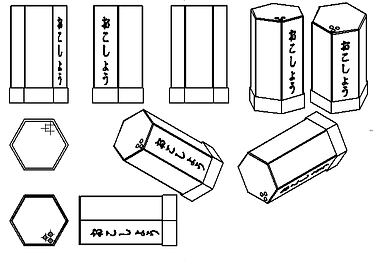
The Salt and Pepper Fortune Shakers are a simulation of Japanese Fortune telling experience. It is common to have fortune-telling by shaking the sakers and receive a paper with results. In this case, people can shake the fortune shakers, not asking for their wish, but wishing for a delicious meal with seasoning.

